BoxingProfessional
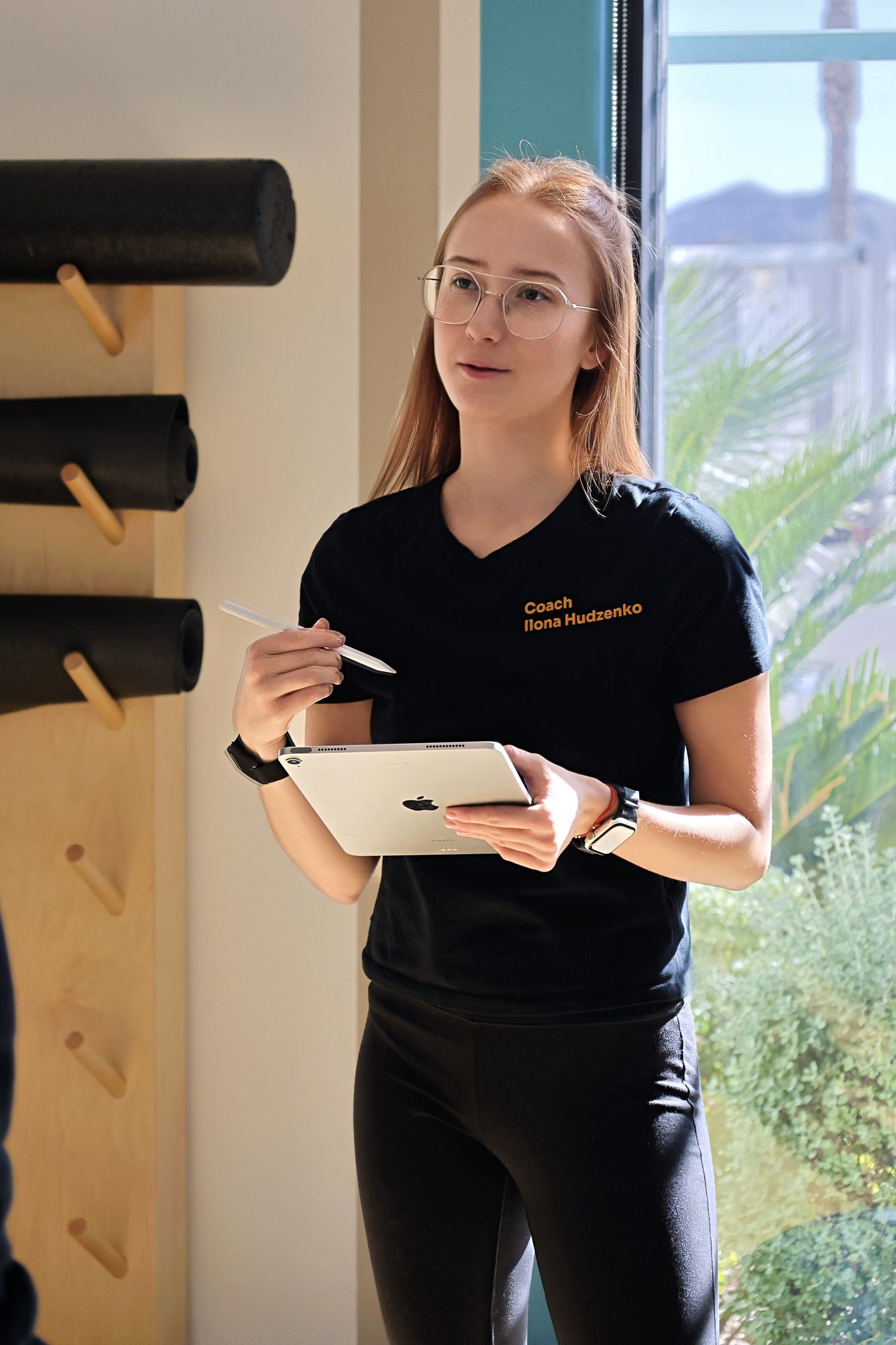
Returning to full training after targeted shoulder work
A professional boxer came to me with shoulder discomfort that limited training intensity — not an injury story, just a limit he kept hitting every time the load went up. We worked through movement checks to understand how the shoulder was being used, then built two targeted sessions around what we found. After those two sessions, he reported that the shoulder was no longer limiting full-intensity training. Cases like this one are why I ask so many questions before anything else: the starting point matters more than the exercise.
TaekwondoUS national team
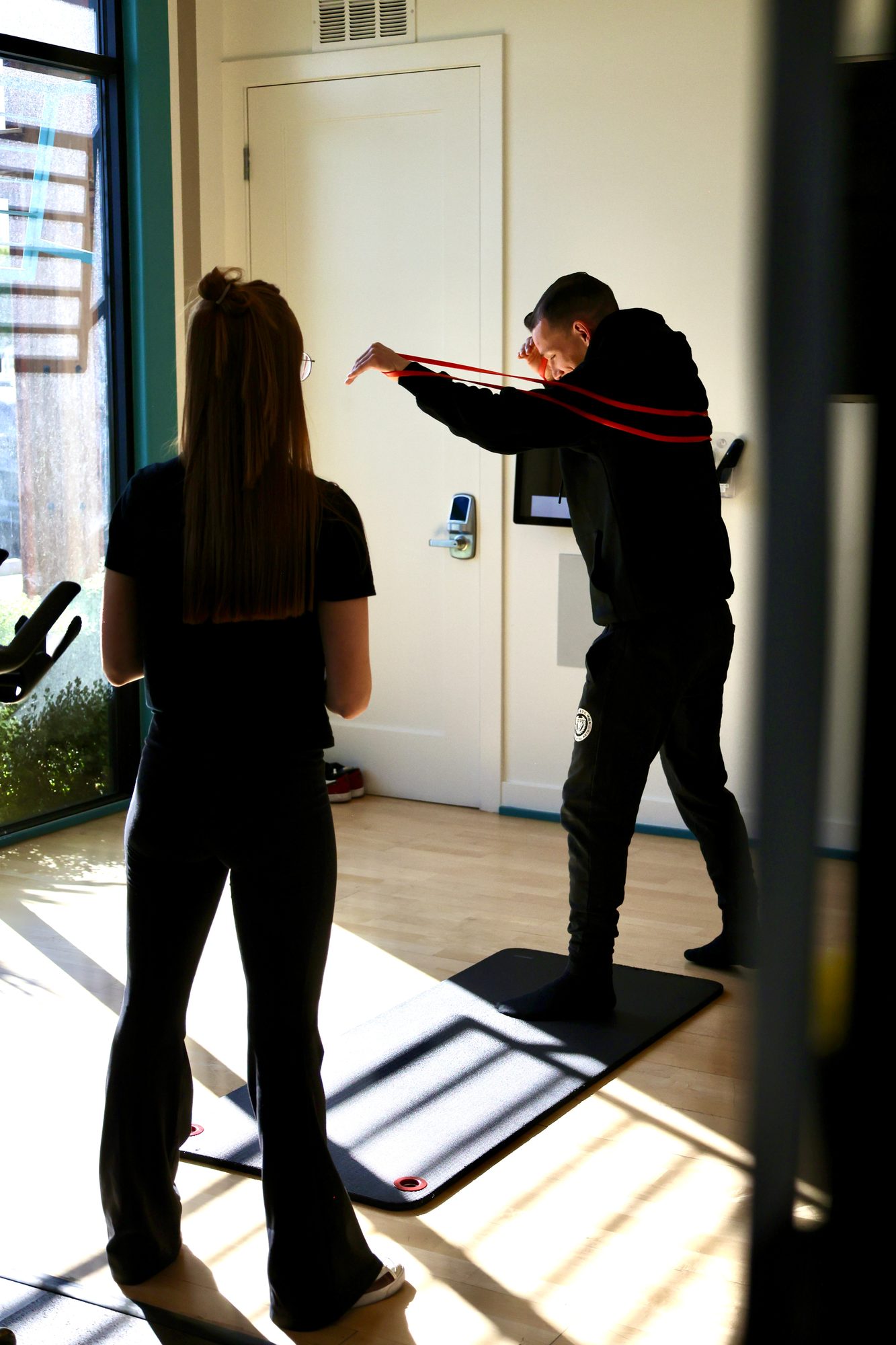
Training through an active competition season
This athlete's discomfort didn't sit in one place: a complaining lower back, tight hips, and a kicking pattern that drove power through the back instead of the hip. Stopping for a rehab block wasn't an option — he was mid-season. So I built two short movement sequences around his existing training: one before practice to prepare the hips, one afterward to release the accumulated tension. He later reported being able to kick at full power during European-level camps while continuing his season. The plan bent around the season; the season didn't stop for the plan.
Artistic swimmingUS junior national program
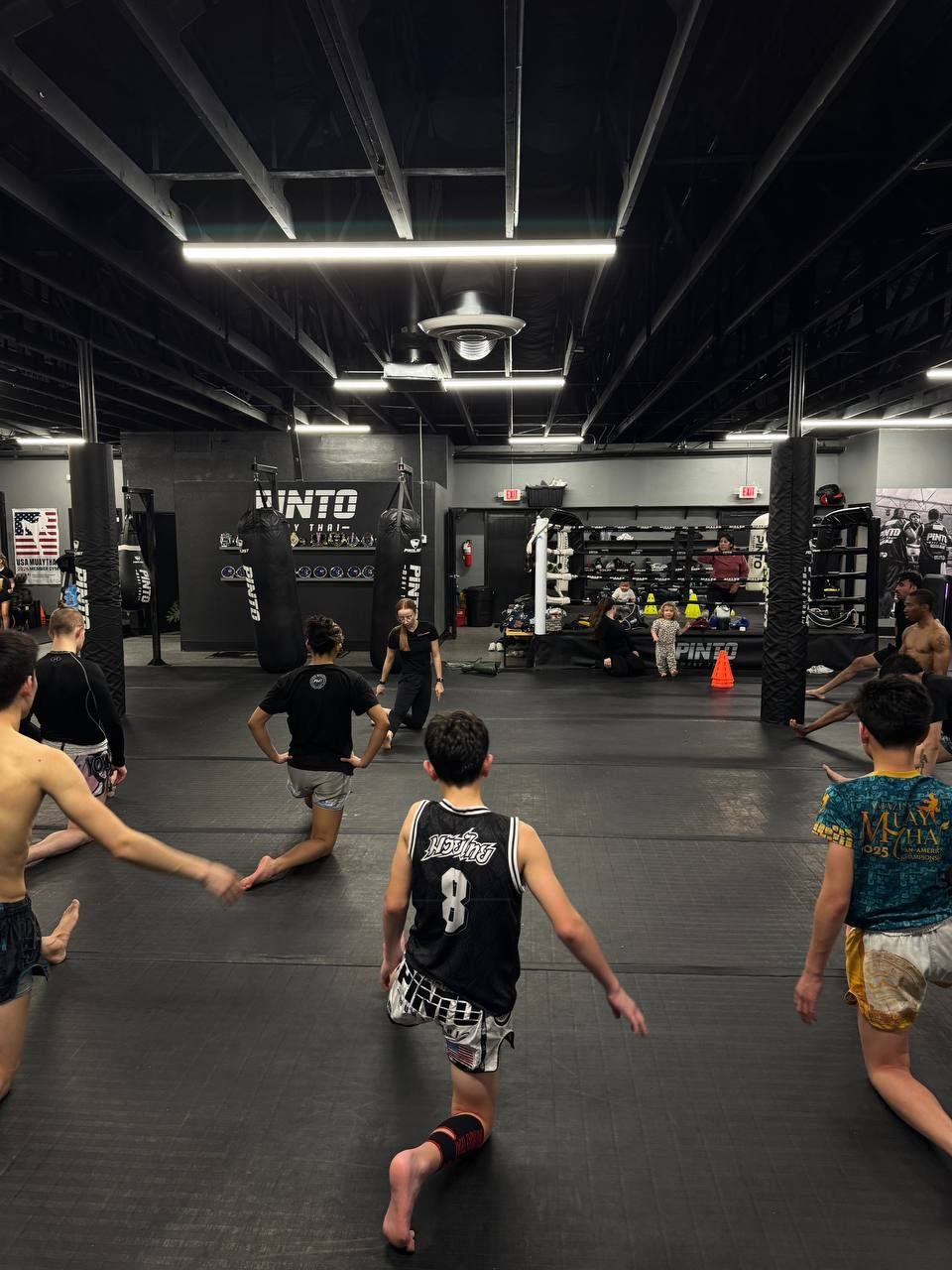
Flexibility as a team-level discipline
With synchronized swimmers, flexibility isn't decoration — line and amplitude are scored directly. I work with junior national-level athletes on exactly that: building the range their sport demands while managing the load that constant extension places on young backs and shoulders. It's the same movement-assessment approach as my private work, applied at squad scale.
GymnasticsCompetitive youth
Improving a competition skill
A young gymnast's switch-leg split leap on beam kept losing points — the split simply wasn't visible mid-air. The work focused on inner-thigh activation, controlled extension, and holding the required shape without overloading the lower back. In the following competitions, the skill scored higher; she later entered the US national top 10 for her age and level.
Postpartum trainingGeneral client
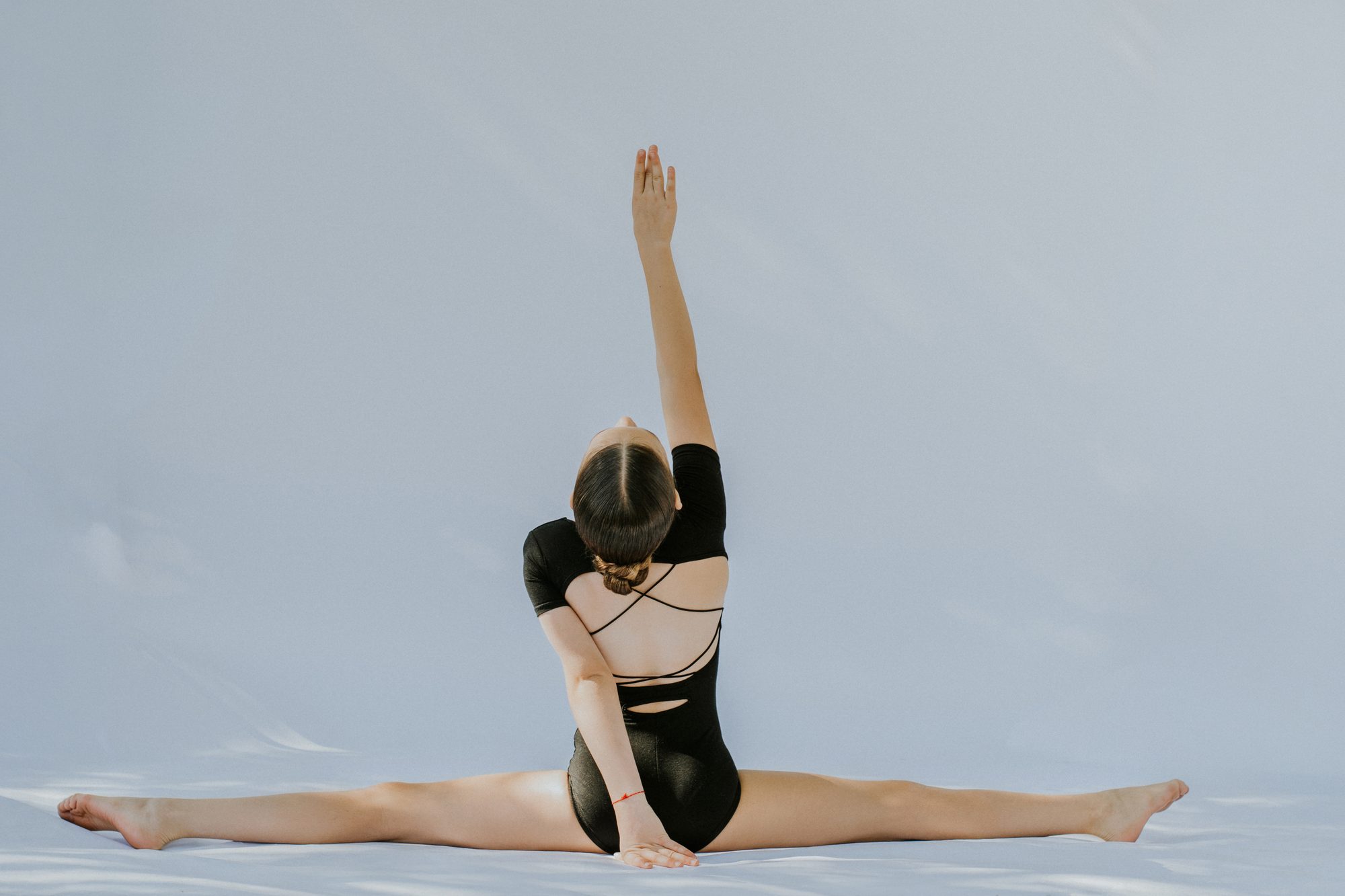
From weight-focused goals to better body awareness
Three months after giving birth, she arrived wanting to lose weight and become more flexible. The real turning point wasn't a workout — it was the day her questions shifted toward breathing, posture, and alignment. The strongest outcome was her growing ability to feel and adjust her own movement without relying on a mirror.
LongevityGeneral client, age 80
Training to stay himself
One of my regulars is eighty. His goal isn't a skill or a competition — it's keeping the physical condition he has, year after year. He's my standing proof that this method has no age gate: the same principles that prepare a fighter for a championship keep an ordinary body reliable for daily life.